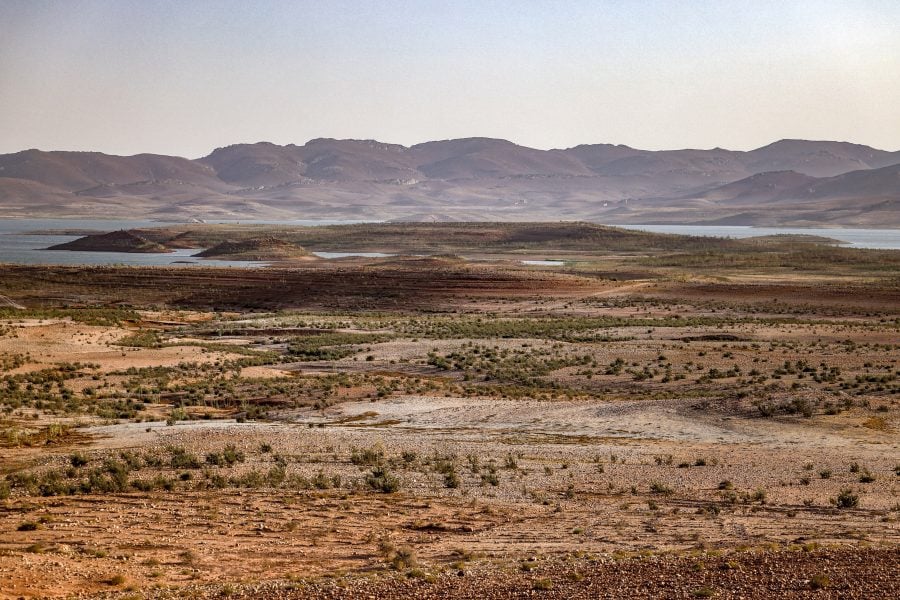
Morocco faces potential climate challenges in 2026, with early indicators pointing to continued drought and above-average temperatures through November, experts say.
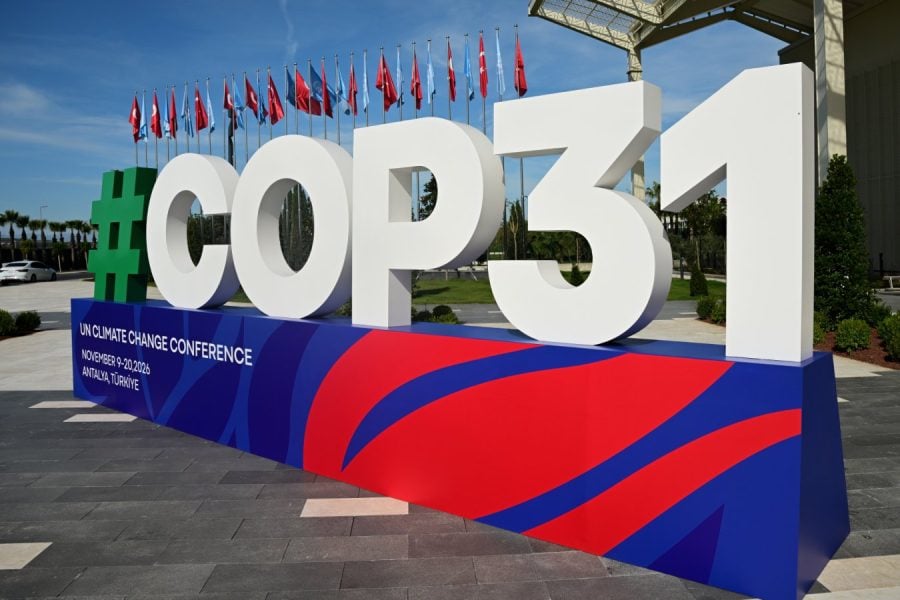
The country’s concerns mirror global fears ahead of the COP30 climate summit in Brazil, particularly over the vulnerability of African nations that require increased financial and technical support to cope with climate impacts.
“Although precise forecasts for 2026 are not yet available, current scientific indicators suggest a continuing upward trend in temperatures and a higher likelihood of drought in several regions, especially in inland and semi-arid areas,” said Mustafa Bennaramel, president of the Ecological Lighthouses Association, in an interview with Hespress AR.
Bennaramel noted that these trends do not make a bleak scenario inevitable. “Climate change is variable. Some seasons could see relative improvement in rainfall, particularly if the El Niño phenomenon, which affects regional climate, weakens,” he said.
Economic and Agricultural Impacts
Agriculture is among the sectors most affected by climate changes in Morocco, where more than 70% of cultivated land depends on rainfall. Droughts reduce crop yields and farmers’ incomes, particularly in rural and mountainous areas, and threaten food security while increasing pressure on water resources used for irrigation.
The energy sector is also vulnerable. Drought diminishes hydropower production, forcing Morocco to rely more on thermal energy sources, even as the country expands solar and wind projects under its commitment to reduce emissions and achieve carbon neutrality by 2050, Bennaramel said.
In response, Morocco has implemented national strategies for climate adaptation, including the National Water Strategy 2050 and the National Climate Plan, which aim to optimize water use, promote sustainable agriculture, and encourage research in the green economy. Desalination and wastewater reuse are also central to safeguarding the country’s water security for future generations.
“2026 may see the continued effects of climate change in Morocco, whether in higher temperatures or drought,” Bennaramel said. “But this is not inevitable. The faster the country advances environmental adaptation, the lower the risks and the higher its resilience.”
Jalal El Maata, a researcher in environmental and territorial issues, emphasized that international efforts to combat climate change require reducing toxic emissions and adapting to climate impacts. He said Africa, including Morocco, is particularly affected by ongoing droughts and must take steps to mitigate the consequences.
“The delayed rainfall is clear evidence of climate change impacts, though new data could bring improvements that Moroccan farmers hope for,” El Maata said.



add your comment
Terms of publication : Not to offend the writer, people, sacred things, or attack religions or the divine self, and refrain from racist incitement and insults.