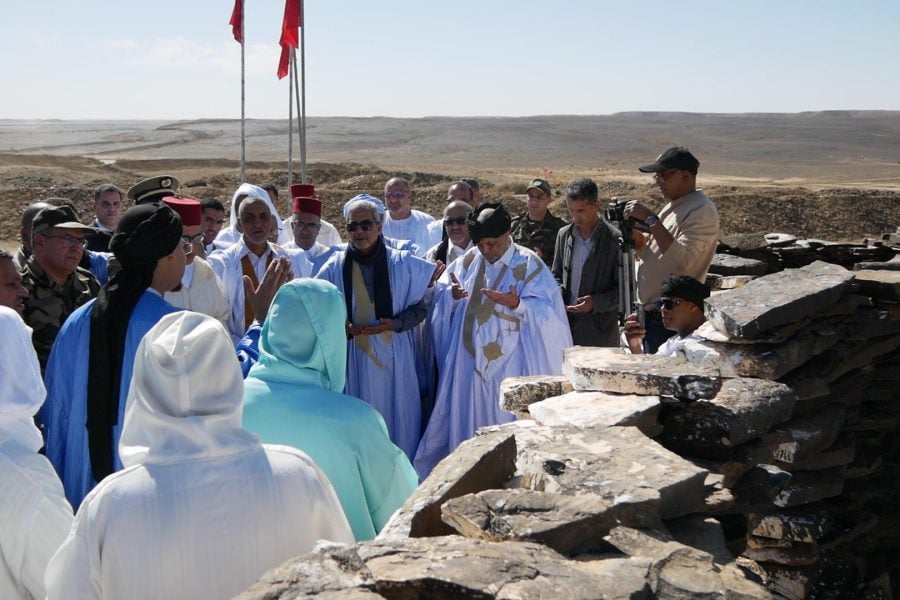
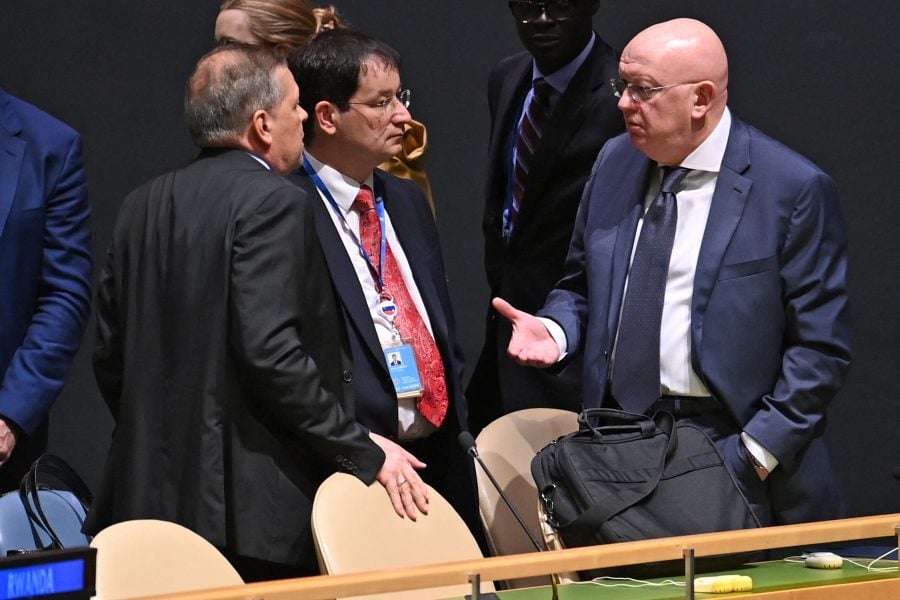
The United Nations Security Council has adopted a resolution that calls the parties to the Sahara dispute to return to the table on the basis of Morocco’s 2007 autonomy initiative, with no preconditions and with the stated objective of reaching a political solution that is just, lasting and acceptable to all sides.
Within hours King Mohammed VI told Moroccans that Rabat will file an updated and more detailed version of the proposal so that it becomes the single reference for future negotiations.
What the UN just endorsed
The resolution tells the parties to use the Moroccan offer as the working basis. That is an important institutional shift because earlier UN language usually placed the Moroccan initiative next to other ideas.
This time the Council is asking the parties to engage on this specific ground and to do so without conditions.
What Morocco is putting on the table
The autonomy plan, first sent to the UN on 11 April 2007, offers Sahrawis wide self government inside Moroccan sovereignty. It is built on three promises:
- Local democratic management of the territory by Sahrawis themselves.
- Full respect for the sovereignty, unity and constitutional order of the Kingdom.
- A legal route that satisfies the principle of self determination in a way that can actually be applied.
In the speech after the vote the King said Morocco will update and detail the initiative so that it reflects current realities and so that the UN has a single, precise document to work with.
How self-government would work
Under the proposal Sahrawis, including those who return from the camps, would elect a regional parliament. That parliament would form an executive headed by a president chosen by the parliament and appointed by the King.
There would be regional courts that rule in the name of the King. The region would manage:
- local administration
- a regional police
- economic development and territorial planning
- investment promotion and infrastructure
- culture, education and social services
To make this viable, the plan says the Sahara Autonomous Region will have its own financial resources. These would come from local taxes, fees and contributions decided by the region, in addition to revenues from natural resources that are allocated to it.
What Rabat keeps
Some powers remain at the level of the state and are not subject to negotiation.
- national defence
- foreign relations, with consultation on matters that affect the region directly
- the constitutional and religious prerogatives of the King as Commander of the Faithful
This is what makes the offer an autonomy inside sovereignty formula and not a path to separation.
How the plan links to self-determination
Morocco proposes that once the statute of autonomy is agreed, it will be put to a local referendum in the territory in line with the Charter of the United Nations. Rabat presents this as a way to give the population a direct say without reopening options that the international context no longer supports.
Guarantees for people in the camps
The initiative contains political and humanitarian assurances.
- return in dignity and safety
- protection of property
- a general amnesty that rules out prosecution or detention
a transitional council representing all parties to organise return, disarmament, demobilisation, reintegration and the first elections




add your comment
Terms of publication : Not to offend the writer, people, sacred things, or attack religions or the divine self, and refrain from racist incitement and insults.