
After the summer break, the government is returning to work this week, starting what will be its last year in office.
The coalition of the National Rally of Independents, Istiqlal, and the Authenticity and Modernity Party has a busy agenda ahead, but with elections on the horizon, political watchers say its decisions will be marked by caution.
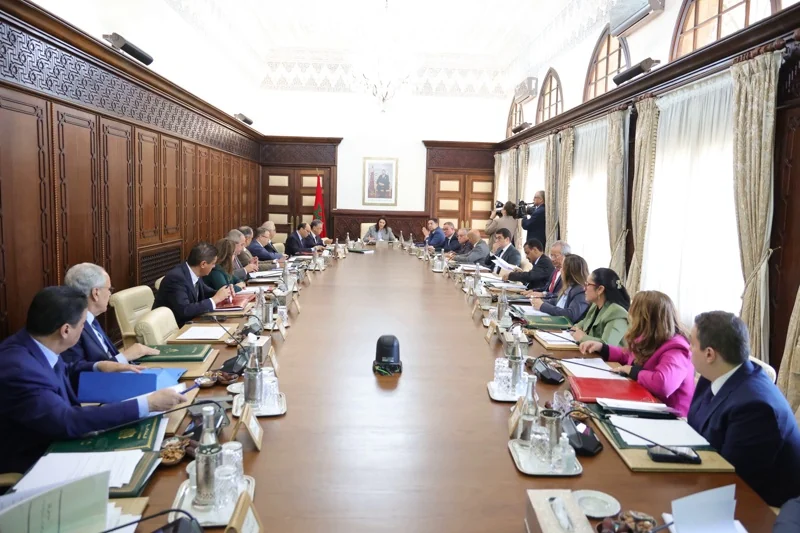
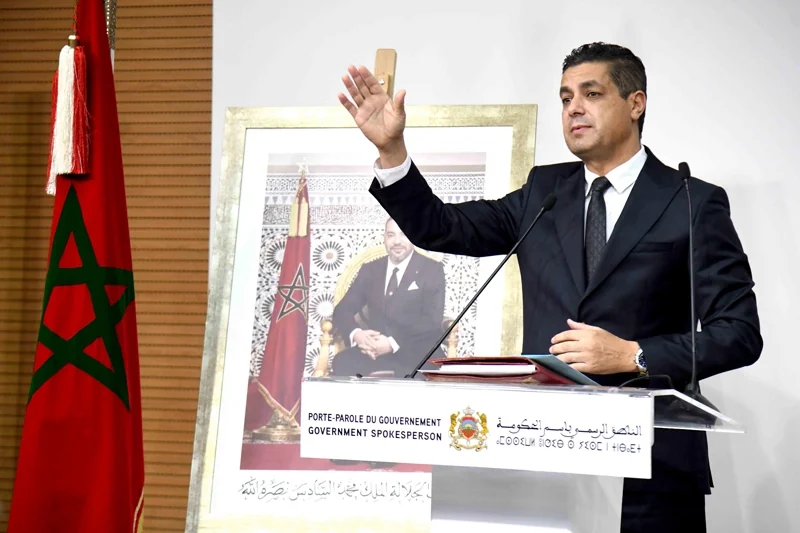
A cabinet meeting is set for Thursday. Ministers will look at two draft decrees. One draft decree changes the rules around a solidarity levy that funds the disaster relief fund, and the other revises how overtime pay for teachers is calculated.
The coalition will discuss a draft law that approves an agreement with the African Organization of Supreme Audit Institutions to open its headquarters in the country.
New senior appointments are also expected.
Other laws are lined up for the coming weeks, but analysts believe the political calendar will shape what actually moves forward.
Karima Gharad, a researcher in political science and constitutional law, told Hespress Ar that the expected resumption of government work will take place in a context marked by preparations for the upcoming elections, especially in terms of their organizational aspects, such as electoral redistricting and voting systems; this will be the subject of discussions between political parties and the Ministry of the Interior in the coming months.
Gharad said that the last year of this government will be an electoral year par excellence.
“The next social season will also be marked by unresolved issues that successive governments have been unable to solve, foremost among them the reform of pension systems,” Gharad added.
The new political year will see heated debates around a set of laws and legislations waiting to be decided on, such as the law on trade unions, the family code, and the review of the labor code.
Gharad said that the Moroccan workers are waiting for tangible reforms in this regard. This last year will be decisive, not only in terms of preparing for elections, but also in addressing urgent social challenges, especially finding new mechanisms to curb the rise in prices of basic goods.
Rachid Lazrak, professor of political science, shared a similar view.
“The new political year will essentially be an electoral year; this may push the government to avoid dealing with certain files or carrying out sectoral reforms,” lazrak told Hespress Ar.
Lazrak said that this situation could continue despite the insistence of Bank Al-Maghrib on the need to accelerate pension fund reforms, which raises questions about whether the government has the political courage to open this file.
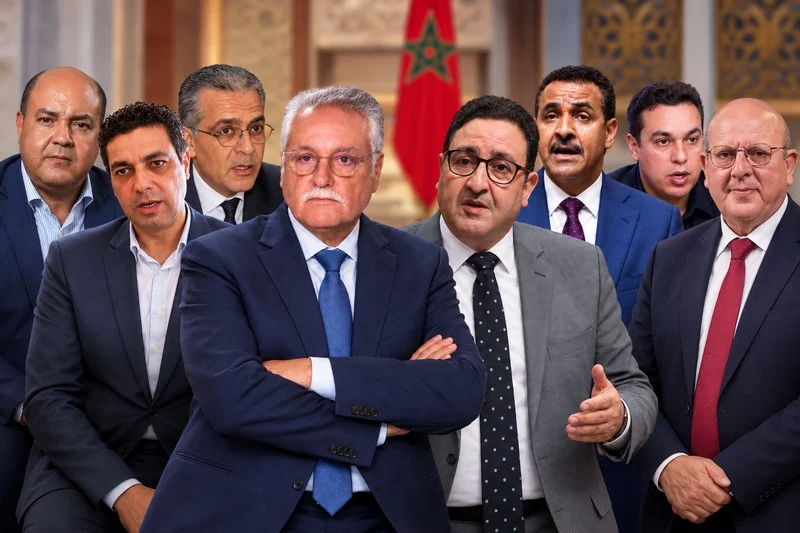
Lazrak added that the last year of this government may witness conflicts of ambition within the ruling coalition, while the main ambition of opposition parties will be to enter the 2026 government, especially since their actions in recent months inside parliament have been limited.




add your comment
Terms of publication : Not to offend the writer, people, sacred things, or attack religions or the divine self, and refrain from racist incitement and insults.