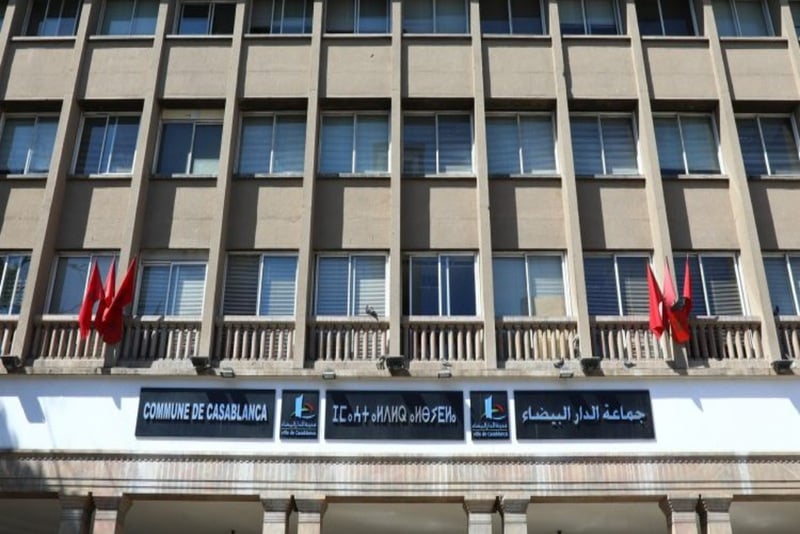
The Directorate of Local Authorities’ Finance, part of Morocco’s General Directorate of Territorial Collectivities, is conducting extensive administrative inquiries into severe financial crises affecting municipalities in Casablanca Settat and Rabat Salé Kénitra, according to informed sources cited by Hespress.
The investigations focus on the application of Law 82.17, which grants exemptions on fines and penalties but has deprived local governments of billions of dirhams annually.
Preliminary findings indicate that outstanding receivables at several municipalities have swelled to 43 billion dirhams, of which only 10 billion can realistically be recovered, while 33 billion remain uncollectible.
The sources highlighted suspicions of corruption, collusion between public accountants and elected officials, and weak administrative capacity as key factors behind the ballooning arrears.
According to the same sources, municipalities lose billions of dirhams each year due to canceled surcharges, penalties, collection fees, and other revenues linked to taxes, duties, contributions, and levies.
These shortfalls weigh heavily on budgetary forecasts for the remainder of the current mandate.
Despite repeatedly calling for structural solutions, local councils have continued to rely on Law 82.17 to reduce arrears, authorizing tax departments annually to prepare updated lists of eligible taxpayers and instructing accountants to cancel debts not covered by the law’s scope.
Administrative research covering the past four years shows a chronic rise in unpaid dues that dominate municipal budgets without effective remedies. Sources noted repeated attempts by taxpayers to evade payments through concealing taxable revenues or submitting false declarations.
The initial conclusions also tie the persistence of arrears to weak tax administrations, limited staffing, lack of organizational structures, corruption and bribery practices, and collusion between municipal leaders and tax collectors. These dynamics have allowed many taxpayers to avoid their obligations for years.
At the end of last year, the Interior Ministry convened a series of meetings with municipalities registering record levels of arrears and delays in tax collection, in contradiction with Minister Abdelouafi Laftit’s directives.
The updated provisions of Law 47.06 on local taxation, issued in December 2020, emphasized accelerating debt collection by prioritizing recoverability risk over debt value to strengthen liquidity, address structural imbalances, and improve governance mechanisms.







add your comment
Terms of publication : Not to offend the writer, people, sacred things, or attack religions or the divine self, and refrain from racist incitement and insults.