
Morocco has officially entered the global medical cannabis market, sending its first legal export of the product to Australia this week, in what authorities describe as a milestone in the country’s regulated cannabis industry.
The shipment included 50 kilograms of the locally known baldiya strain and followed an earlier test sample sent in June for quality verification.
The export was supervised by the National Agency for the Regulation of Activities Related to Cannabis, in collaboration with Australian pharmaceutical labs and regulators to ensure compliance with health, legal, and administrative standards.
In a parallel development, Morocco also dispatched its first legal shipment of cannabidiol (CBD), a non-psychoactive cannabis extract, to the Czech Republic, marking its entry into European markets where cannabis regulation is stringent but potentially profitable.
Back home, Morocco is continuing efforts to formalize the sector. In Bab Berred, Chefchaouen province, a pilot project focused on greenhouse-grown cannabis is nearing completion. The initiative is designed to offer a controlled and environmentally responsible model for cannabis cultivation, while creating legal employment opportunities in regions historically linked to illicit farming.
Morocco legalized the production and export of cannabis for medical, cosmetic, and industrial purposes in 2022. Since then, the legal market has gradually expanded, with a range of medical and industrial cannabis products now in development.
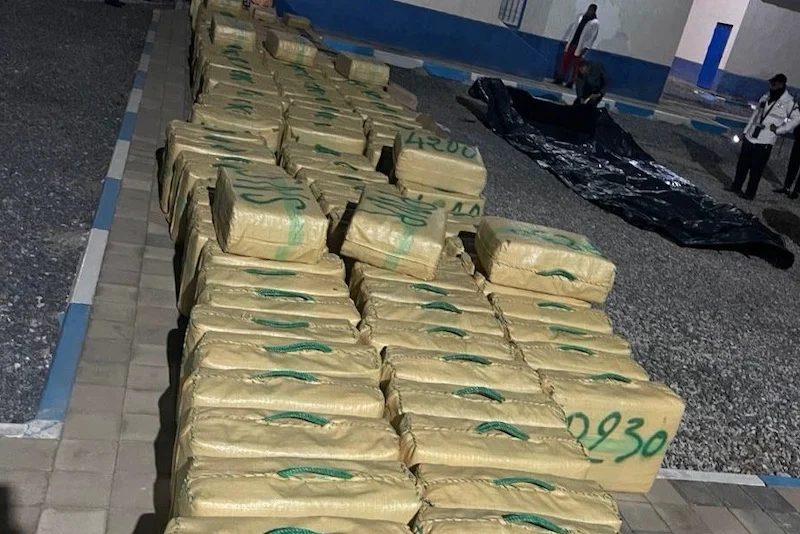
However, the black market remains dominant, with many farmers reluctant to switch to legal channels due to economic disincentives. According to government figures, only 5,800 hectares are officially licensed for cannabis cultivation, compared with an estimated 27,100 hectares still used for illegal farming.
Many farmers cite financial reasons for avoiding legal cooperatives, which reportedly pay around MAD 50 per kilogramof raw cannabis after lengthy delays and processing.
In contrast, illegal dealers offer up to MAD 2,500 per kilogram of processed resin, a gap that continues to lure growers into the unregulated market, Reuters reports.
Officials hope that with more pilot projects and better incentives, the legal sector will gain ground and reduce the country’s reliance on the black market.







add your comment
Terms of publication : Not to offend the writer, people, sacred things, or attack religions or the divine self, and refrain from racist incitement and insults.