
Morocco’s political parties must revamp their leadership and give more power to young voices if they want to rebuild trust among the country’s youth, according to a new study published in the government-run journal Youth Issues.
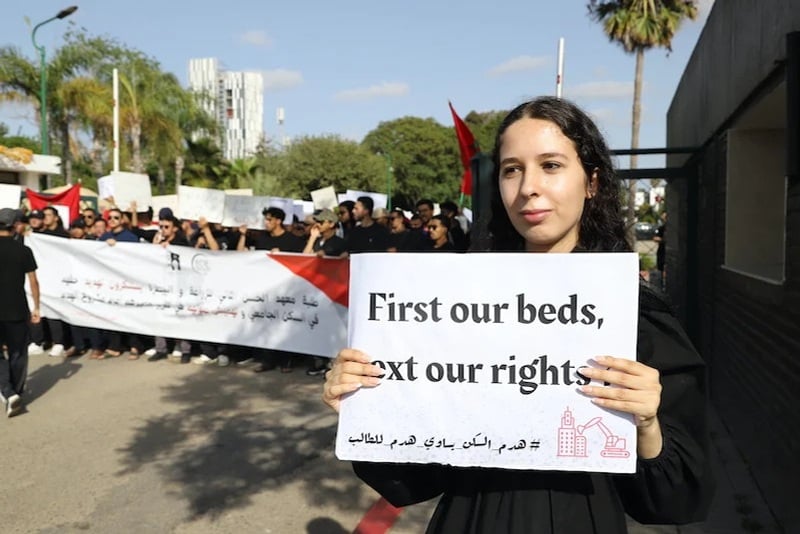
The report, led by political science expert Jamal Chaari, paints a stark picture of youth disengagement from Moroccan political life, citing widespread disillusionment with political institutions and electoral processes.
Chaari’s study attributes much of this alienation to outdated party leadership and a lack of meaningful inclusion, noting that younger generations feel ignored or sidelined within party structures.
“To re-engage Moroccan youth, political parties must refresh their leadership, empower youth-led reform from within, and grant real independence to their youth wings,” the report says. Without such steps, it warns, youth disengagement will only deepen.
The research also calls for broader institutional reforms to make political participation more accessible and appealing to young citizens.
Recommendations include establishing fairer electoral systems, redrawing district boundaries, increasing the authority of independent electoral commissions, and bolstering the role of opposition parties, especially in political education and civic engagement.
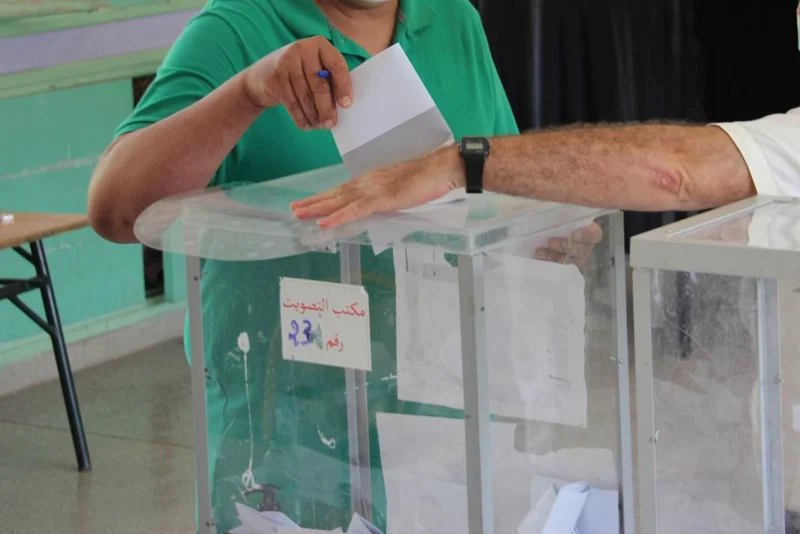
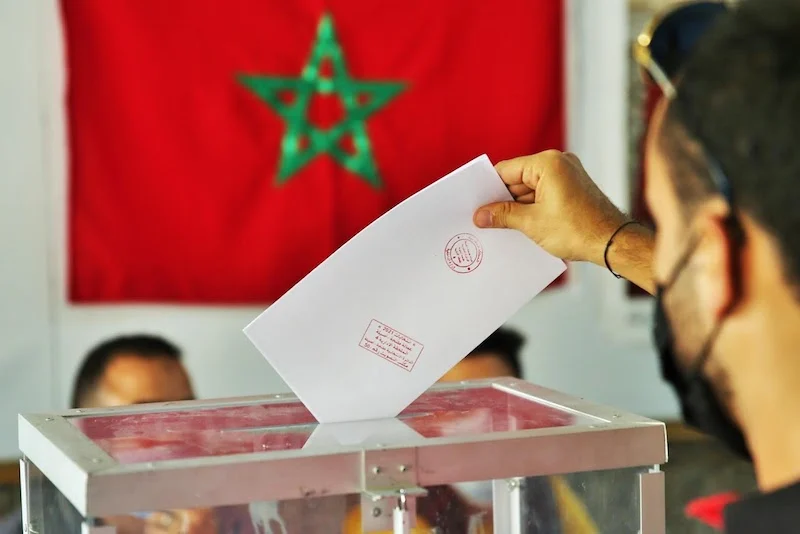
Beyond party dynamics, the study points to logistical and procedural barriers that further alienate young voters. These include the failure to deliver voter cards, holding elections during summer holidays, and the overwhelming number of political parties—many of which have similar names—contributing to confusion and disinterest at the ballot box.
“Moroccan youth are not just disillusioned by outdated leaders,” the report notes, “they are frustrated by an entire political system that feels inaccessible and unresponsive to their concerns.”
The report criticizes many political parties for being entrenched in the past, run by the same figures for years, and plagued by internal power struggles that stifle reform and alienate fresh talent. These dynamics, it argues, are damaging to both party vitality and public trust.
Ultimately, the study stresses that piecemeal reforms or short-term initiatives won’t be enough. What is needed is a long-term, inclusive political strategy that places young people at the heart of decision-making.
Without that, it concludes, Morocco faces continued cycles of political apathy, low voter turnout, and an ever-widening gap between youth and their representatives.


add your comment
Terms of publication : Not to offend the writer, people, sacred things, or attack religions or the divine self, and refrain from racist incitement and insults.