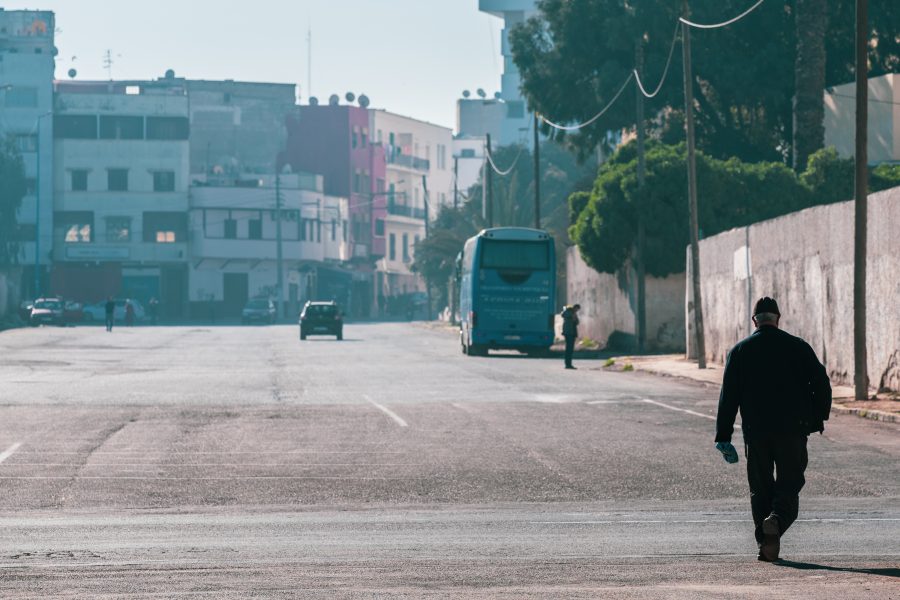
Morocco’s Gross National Income per capita reached $3,760 in 2024, keeping the country in the lower-middle-income category, according to the World Bank’s latest income classification report.
The figures highlight wide gaps in economic progress across Africa, with some countries moving up in income rankings while others face setbacks or remain stagnant.
The report shows that Morocco’s income level is similar to countries like Tunisia ($3,900) and Egypt ($3,510). While Morocco has made efforts in areas such as renewable energy and infrastructure, the country still faces challenges in creating enough high-quality jobs and growing key sectors like manufacturing.
The World Bank says countries in this category risk falling into a “middle-income trap” if they don’t invest more in skills, innovation, and economic diversification.
Seychelles leads, Cabo Verde climbs, Namibia falls
The Seychelles remains Africa’s only high-income country, with a GNI per capita of $17,460.
Its economy benefits from tourism and financial services. Cabo Verde moved up to the upper-middle-income group with a GNI of $5,000, helped by a strong recovery in tourism and lower population growth.
Namibia, on the other hand, dropped from upper-middle to lower-middle income. Its GNI fell to $4,240 after a slowdown in the mining sector and a rise in population figures.
This shift places Namibia in the same category as Morocco, underlining the risks for countries that depend heavily on natural resources.
Most African countries still in low-income group
About 45% of sub-Saharan African countries remain in the low-income category, a slight improvement from past decades but still behind other regions.
The report notes that many African economies, including resource-rich ones like Gabon and Libya, struggle to move up the income ladder.
The World Bank says faster progress will depend on reforms in education, training, and industry, as well as better regional trade.
For Morocco and similar economies, the challenge is to boost productivity and create opportunities beyond agriculture and basic services.
Without these changes, they may continue to grow slowly and fall behind more dynamic parts of the world.





add your comment
Terms of publication : Not to offend the writer, people, sacred things, or attack religions or the divine self, and refrain from racist incitement and insults.