
While the escalating conflict between Israel and Iran is unfolding far from Morocco’s borders, experts warn that the repercussions could still be felt at home — especially through rising fuel and food prices.
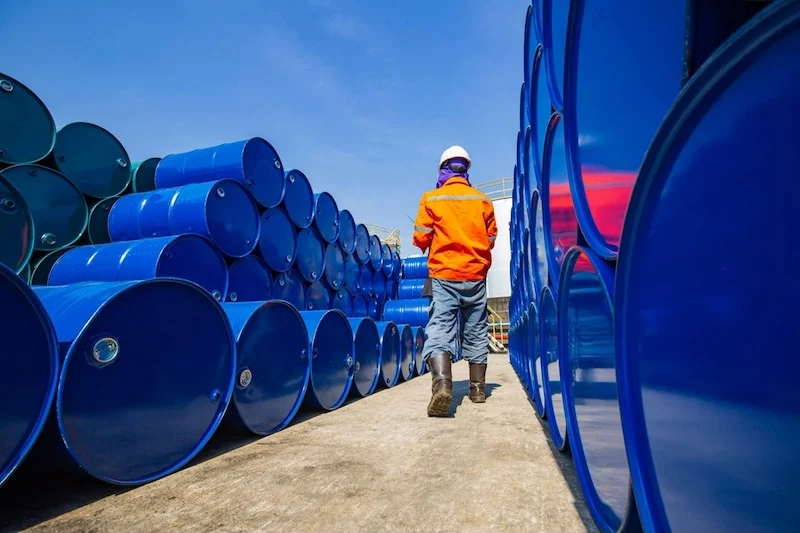
The ongoing military confrontation in the Middle East has triggered fears of global disruptions to oil and gas supplies. For energy-importing countries like Morocco, that could spell economic trouble.
“Higher fuel costs mean higher transportation costs, which ripple through the economy,” said Idriss Lakrini, a professor of international relations in Marrakech. “That translates to more expensive food, goods, and services for Moroccan families.”
Lakrini described the Israel-Iran conflict as a “serious development in a strategically sensitive region.” He emphasized that in today’s interconnected world, “no country is fully insulated from such crises.”
Beyond economic effects, Lakrini warned of additional risks, including increased illegal migration, cybersecurity threats, and the potential resurgence of extremist activity if the conflict spreads to neighboring countries.
Still, he noted that Morocco is better positioned than many. “We’re not on the front line,” he said. “Morocco’s balanced foreign policy and diversified partnerships help cushion the blow from regional instability.”
But the country remains vulnerable to shocks in global trade routes, especially if key shipping lanes such as the Red Seaare affected. Any disruption could delay energy imports and further strain Morocco’s economy.
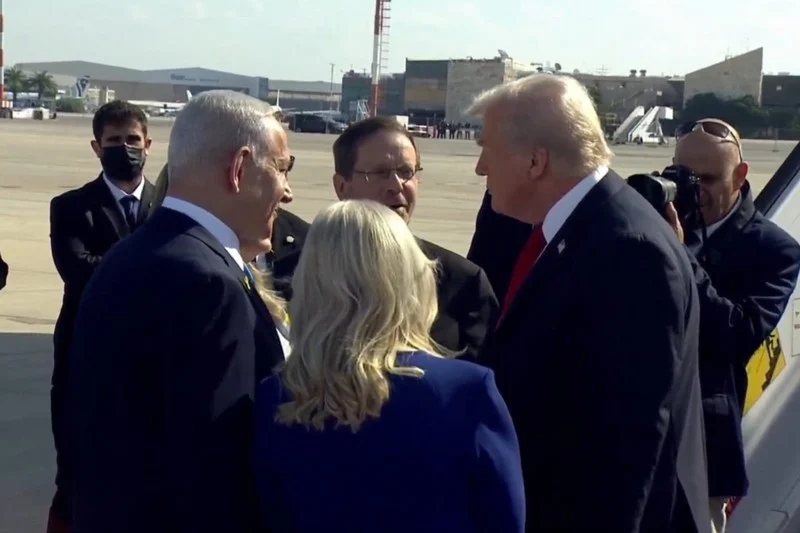
Khalid Cheyat, another international relations expert based in Oujda, echoed the assessment. “Morocco has no direct role in this war. Its relations with Iran are already limited, and while it maintains formal diplomatic ties with Israel, its position on Palestinian rights remains unchanged.”
That diplomatic neutrality, however, doesn’t shield the country from economic aftershocks. Moroccan households, already grappling with inflation, are bracing for more financial strain.
On social media, frustration is mounting. Users accuse fuel and food distributors of using global crises — including the COVID-19 pandemic, the war in Ukraine, and domestic droughts — to justify price hikes and boost profits.
While the full scope of the conflict’s economic fallout remains uncertain, experts agree that even the perception of instability can be enough to disrupt markets and shake consumer confidence.
For Morocco, the challenge will be navigating this turbulence from a distance — while shielding its citizens from a conflict they have no part in.





add your comment
Terms of publication : Not to offend the writer, people, sacred things, or attack religions or the divine self, and refrain from racist incitement and insults.