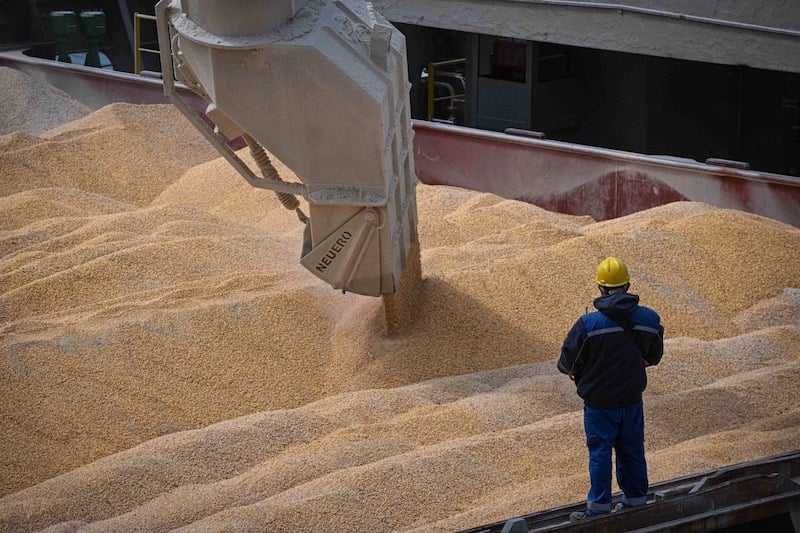
Morocco is expected to cut wheat imports by 200,000 tons during the 2025–2026 marketing season compared with the previous year, according to recent projections by the U.S. Department of Agriculture (USDA). The decline comes amid signs of an improving domestic harvest and more strategic stock management, despite persistent climate challenges.
The USDA expects Morocco to import 6.7 million tons of wheat next season, reflecting a better-than-anticipated local grain yield. Industry analysts have attributed this improvement to timely rainfall in key agricultural regions.
Unlike other regional countries such as Egypt, which remain highly exposed to global market fluctuations, Morocco is showing “greater self-sufficiency in grain supply,” according to agricultural market platform UkrAgroConsult. The site highlighted Morocco’s balanced trade relations with major wheat exporters — including France, Russia, and Kazakhstan — as a strategy to avoid overdependence on any single supplier.
Earlier this month, Morocco’s Minister of Agriculture, Fisheries, Rural Development, Water and Forests, Mohamed Sadiki, said the country expects a 41% increase in its cereal harvest this year. However, he acknowledged that dry conditions between November and February limited autumn cereal planting to just 3.2 million hectares. Rainfall and snow beginning in March significantly improved outlooks, he said during a parliamentary session on May 5.
Sadiki added that roughly 661,000 hectares of cereals, legumes, and oilseeds have been insured this season out of the 1 million hectares targeted.
Speaking to Hespress, agricultural expert Mohamed Dargaoui said the anticipated 200,000-ton import drop is modest compared with Morocco’s overall wheat needs, which exceed 5 million quintals. “That’s roughly the load of four cargo ships,” he noted.
Dargaoui said rainfall in March and April helped improve yields, particularly in regions like Meknes, Taounate, and Taza, which had been considered unpromising earlier in the season. While yields are not expected to reach pre-drought levels of 50 to 60 quintals per hectare, many areas may produce between 30 and 35 quintals per hectare.
Looking ahead, Dargaoui stressed the importance of consistent rainfall during the upcoming agricultural season — especially in November, January, and February — to sustain recovery efforts.
Agricultural consultant Riad Ouhateta echoed those sentiments, noting that recent rainfalls in northern and western Morocco revived hopes for a strong rainfed harvest. He said increased domestic production would likely ease pressure on imports and bolster national reserves.
Ouhateta also highlighted a broader shift in Morocco’s agricultural seasons due to ongoing drought and climate variability. “Areas like Abda and Doukkala, once early indicators of national cereal output, now see delayed rainfall and planting,” he said. Still, this year saw an exception, with widespread early-season rainfall followed by colder temperatures that briefly slowed crop growth.
Nonetheless, he emphasized that the March and April rains have positively impacted all major rainfed crops. Last season, he noted, regions benefiting from regular rainfall produced about 85% of Morocco’s cereal output.




add your comment
Terms of publication : Not to offend the writer, people, sacred things, or attack religions or the divine self, and refrain from racist incitement and insults.