
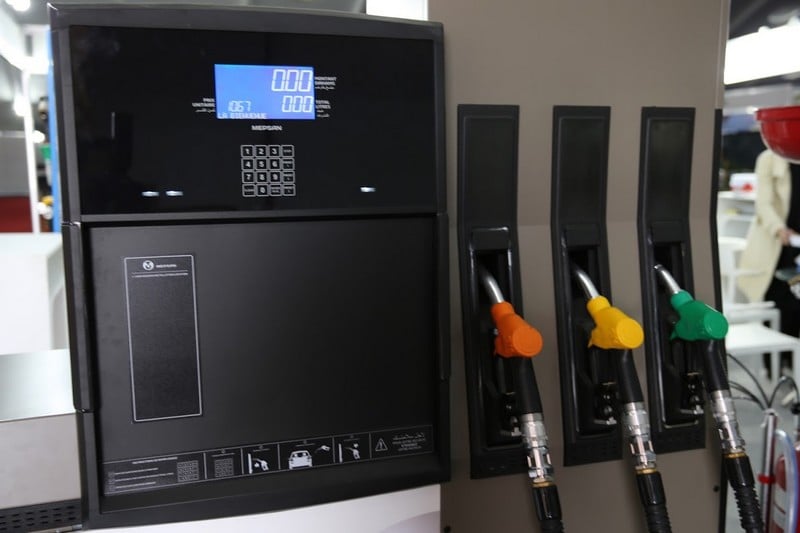
Leaked documents from Morocco’s Directorate of Local Government Finance have uncovered serious misconduct involving elected officials and territorial administrators, who allegedly exploited public fuel vouchers (“bonnes de carburant”) for personal and unauthorized use, according to well-informed Hespress AR sources.
The internal reports, shared with the General Inspectorate of Territorial Administration, point to systemic irregularities in fuel supply and spare parts procurement, notably a lack of transparency, oversight, and excessive use of purchase orders with little justification.
The alleged abuses — currently under inspection in several municipalities across Casablanca-Settat, Marrakech-Safi, and Beni Mellal-Khénifra regions — may soon land on the desks of Morocco’s National Judicial Police Brigade, once audit files are finalized. These files reportedly implicate high-profile elected officials in the mismanagement of diesel voucher allocations.
Fueling Friends and Family
Investigators found that fuel vouchers were often distributed to relatives and acquaintances outside any formal control mechanism. Some municipalities refused to implement internal oversight systems, in violation of laws governing public vehicle fleets.
This evasion of control allowed local council members, deputies, and advisers to regularly fuel personal vehicles at public expense, sometimes with signed but undocumented slips, sources said.
Even fuel station operators have been drawn into the scandal, as many allegedly provided fuel based on these vouchers to vehicles not registered as public or government fleet, in breach of existing regulations.
Legal Violations and Costly Abuse
The lack of internal tracking also violates Article 9 of Decree No. 2.97.1051 (dated February 2, 1998), which mandates rules for the operation and oversight of public administrative vehicles.
The leaks also expose corruption in vehicle maintenance contracts, including oil, spare parts, and tire supplies. Specific companies reportedly monopolized supply tenders without competitive bidding, with some documents revealing inflated consumption figures and exaggerated fuel volumes in voucher records.
Court of Auditors: Structural Legal Gaps
The Moroccan Court of Auditors, in its 2023–2024 annual report, echoed these concerns, noting that municipal fleet management lacks a comprehensive legal framework. This legal void, the report warns, has led to inefficient, uneconomical, and poorly monitored vehicle use, with no exclusive list of officials entitled to personal use of municipal vehicles.
The findings add pressure on the Ministry of Interior and local governments to enforce accountability, modernize oversight systems, and end the culture of impunity surrounding the misuse of public resources in territorial governance.



add your comment
Terms of publication : Not to offend the writer, people, sacred things, or attack religions or the divine self, and refrain from racist incitement and insults.