
A proposal by Moroccan parliamentarians to impose visa requirements on European citizens entering Morocco has ignited a heated debate in European media, raising concerns about potential disruptions to travel and diplomatic relations.
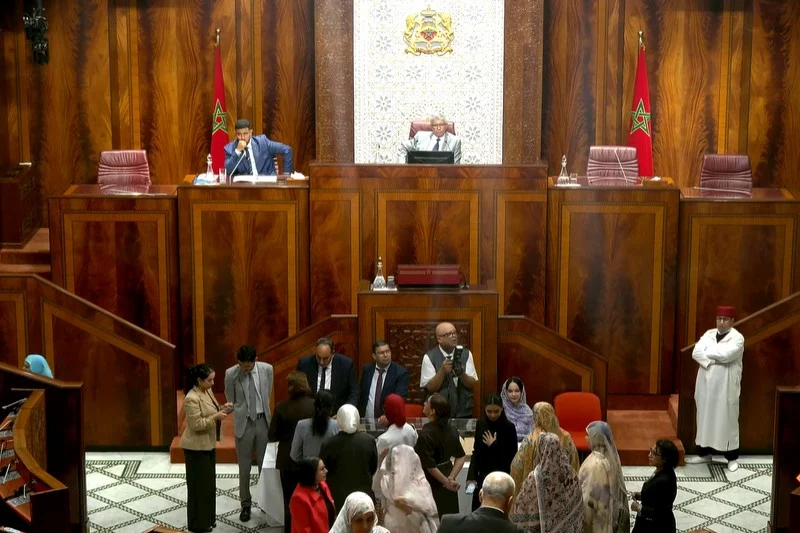
The initiative, introduced earlier this month by Khalid Satti and Loubna Alaoui from the National Union of Moroccan Workers in the House of Councillors, seeks to establish a visa requirement for European travelers based on a policy of reciprocity.
In a formal question to Foreign Minister Nasser Bourita, the legislators argued that while several European countries generate substantial revenue from visa fees imposed on Moroccans, their citizens are currently allowed to enter Morocco freely without a visa.
Tourism experts warn that implementing such a policy could have adverse economic consequences, particularly for Morocco’s tourism sector, which relies heavily on European visitors. The European market represents the largest source of tourists for the North African nation, contributing significantly to its foreign exchange revenues.
The proposal has triggered a wave of online reactions, with supporters and opponents voicing strong opinions. Industry professionals caution that restricting access for European tourists contradicts Morocco’s long-term tourism strategy, especially at a time when the country is striving to solidify its status as a premier regional and international destination.
Morocco’s proximity to Europe and its deep cultural and economic ties with the continent have made it a top travel destination. Over the past few years, the Moroccan government has invested heavily in tourism infrastructure, enhanced air travel accessibility through partnerships with budget airlines, and strengthened promotional efforts to attract more visitors.
Despite challenges such as the COVID-19 pandemic and the Al Haouz earthquake, Morocco’s tourism sector has demonstrated remarkable resilience. However, introducing a visa requirement for Europeans could increase travel costs and discourage potential visitors, prompting them to choose destinations with simpler entry processes.
The visa proposal also revives memories of the “visa crisis” with France in late 2022, when thousands of Moroccans faced significant obstacles in obtaining Schengen visas. The situation led to public protests in front of the EU embassy in Rabat, organized by Moroccan human rights groups condemning the systematic rejection of visa applications and the high fees imposed by intermediary agencies.
While supporters of the proposal argue that Morocco must assert fairer travel policies in response to European visa restrictions, others believe that an integrated tourism strategy—one that balances local development with strong ties to European markets—would be a more effective approach.
As discussions around this parliamentary proposal continue, stakeholders in the tourism industry and diplomatic circles are closely monitoring whether Morocco will take a firm stance on visa reciprocity or prioritize economic interests by maintaining visa-free access for European visitors.








add your comment
Terms of publication : Not to offend the writer, people, sacred things, or attack religions or the divine self, and refrain from racist incitement and insults.