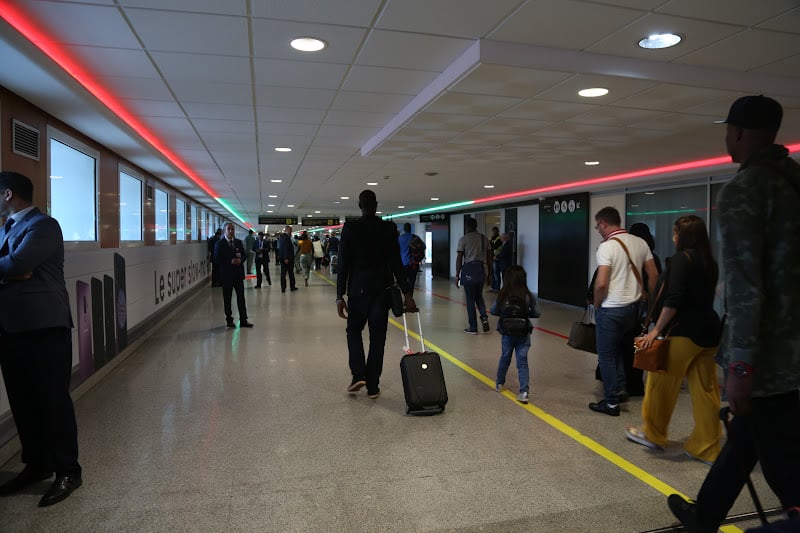
Moroccan authorities are scrutinizing travelers who frequently visit international destinations, questioning their spending habits abroad amid concerns of financial discrepancies, sources told Hespress AR.
The Moroccan Exchange Office has issued inquiries to numerous tourists and business travelers regarding their overseas expenses. Officials have reportedly detected inconsistencies between declared travel allowances and actual expenditures.
Inspectors have confronted individuals over large transactions, including luxury purchases such as high-end watches, gold jewelry, designer clothing, and extravagant hotel bookings.
Some travelers responded to the inquiries by claiming they received financial support from relatives and acquaintances abroad to cover their expenses. However, authorities remained skeptical, particularly when the purchases significantly exceeded the annual travel allowance.
The investigations extended to Moroccan professionals traveling for business, particularly doctors and engineers in Europe. Authorities found that some individuals had exceeded their yearly travel allocations in just one or two trips. Additionally, several Moroccan travelers were reportedly fined at airports in Spain and France for carrying undeclared foreign currency, primarily euros.
Some of those under scrutiny admitted to receiving funds from Moroccans residing abroad in exchange for transferring equivalent amounts to domestic bank accounts in Morocco, bypassing official exchange regulations and international money transfer channels.
Morocco’s Exchange Office had previously raised the travel allowance limits through a directive issued in 2022, increasing the cap for tourism-related travel from MAD 45,000 to MAD 100,000 annually, with the possibility of an increase up to MAD 300,000 based on income tax levels. Business travel allocations were also increased from MAD 60,000 to MAD 100,000.
Sources indicated that exchange office inspectors are collaborating with the General Directorate of Taxes to cross-check tax declarations with overseas expenditures. Data-sharing agreements with international financial institutions, particularly in Europe, are also being utilized to verify potential cases of currency smuggling, money laundering, and terrorism financing.
The ongoing investigation underscores Morocco’s commitment to enforcing exchange regulations and combatting financial crimes involving cross-border transactions.




add your comment
Terms of publication : Not to offend the writer, people, sacred things, or attack religions or the divine self, and refrain from racist incitement and insults.